
The Mighty Microgreen: Tiny Plant, Tremendous Benefits
In the quest for optimal health, we often look for the next big superfood. But what if the answer was something small, vibrant, and packed with an incredible punch? Enter microgreens – the tiny, young versions of vegetables and herbs that are harvested just after the first leaves appear. Don't let their size fool you; these miniature powerhouses are quickly becoming a staple for health enthusiasts everywhere.
What Exactly Are Microgreens?
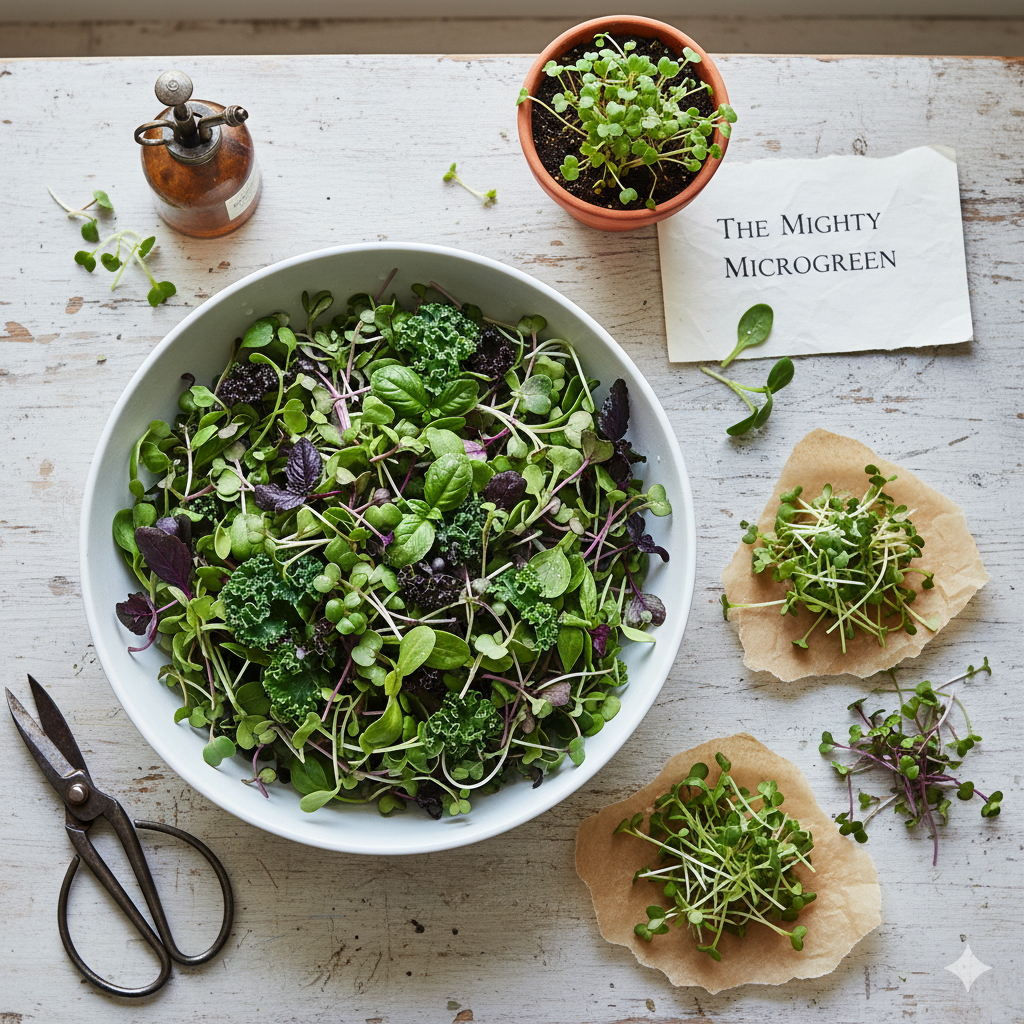
Microgreens are essentially seedlings of edible vegetables and herbs, harvested when they are typically 1-3 inches tall. They differ from sprouts, which are germinated in water and eaten whole (including the seed and root). Microgreens are grown in soil or a growing medium and only the stem and leaves are consumed.
Common microgreens include broccoli, kale, radish, arugula, basil, and sunflower, each offering a unique flavor profile from peppery to subtly sweet.
A Nutritional Powerhouse in Miniature
One of the most compelling reasons to add microgreens to your daily diet is their incredibly dense nutritional content. Research has shown that microgreens often contain significantly higher concentrations of vitamins, minerals, and antioxidants than their mature counterparts.
For example, studies have found that red cabbage microgreens have 6 times more vitamin C than mature red cabbage, and green daikon radish microgreens have 4 times more vitamin E. This means you get more bang for your buck, nutritionally speaking, in a smaller serving size.
Top Benefits of Incorporating Microgreens Daily:
- Rich in Antioxidants: Microgreens are packed with various antioxidants, including polyphenols, which help protect your cells from damage caused by free radicals. This can reduce inflammation and lower the risk of chronic diseases.
- Supports Gut Health: Many microgreens are good sources of fiber, which is essential for a healthy digestive system. A thriving gut microbiome is linked to improved immunity and overall well-being.
- Boosts Heart Health: The antioxidants and polyphenols found in microgreens may help reduce levels of "bad" LDL cholesterol and triglycerides, contributing to a healthier cardiovascular system.
- May Help Fight Cancer: While more research is needed, the high levels of vitamins and antioxidants in microgreens, particularly certain compounds like glucosinolates in brassica microgreens (broccoli, kale), are being studied for their potential anti-cancer properties.
- Enhances Eye Health: Microgreens like kale and spinach provide lutein and zeaxanthin, two powerful antioxidants known to support eye health and protect against age-related macular degeneration.
- Improved Nutrient Absorption: Because they are consumed in their young, tender state, the nutrients in microgreens are often more bioavailable, meaning your body can absorb and utilize them more efficiently.

Easy Ways to Enjoy Microgreens Daily:
Integrating microgreens into your diet is incredibly simple! Their mild yet distinct flavors make them versatile additions to almost any meal.
- Salads: Sprinkle them on top of your regular salads for an extra boost of nutrients and texture.
- Sandwiches & Wraps: Layer them into your favorite sandwiches or wraps instead of lettuce for a peppery kick.
- Smoothies: Blend them into your morning smoothie for a hidden dose of greens. You won't even taste them!
- Eggs: Garnish omelets, scrambled eggs, or avocado toast with a handful of microgreens.
- Soups & Stir-fries: Add them at the very end of cooking to retain their nutrients and delicate crunch.
- Main Dishes: Use them as a vibrant garnish for grilled fish, chicken, or pasta dishes.